

Hollywood has never lacked war stories. But it has often lacked veteran storytellers telling them.
For years, military narratives on screen have gravitated toward spectacle or trauma. Either elite raids and explosions, or the aftermath: PTSD, divorce, isolation. What gets squeezed out is the middle ground — bureaucracy, boredom and dark humor — where most service members actually live.
Three veterans now working in television say that changes when people who have worn the uniform are inside the writers’ room, shaping the story from page one.
Greg Cope White, a Marine veteran and longtime television writer, built a decades-long career after leaving active duty. His memoir, “The Pink Marine,” later became the basis for the Netflix coming-of-age series “Boots,” about a closeted gay teenager enlisting in the Marine Corps in the ’90s.
Veterans are often misunderstood in writers’ rooms, White told Military Times in a recent interview.
“One of the things veterans might fear about going into the writers’ room is that that’s all the experience people are going to want from them,” he said. “Just give me the military stuff and shut up.
“That’s not what I have found at all.”
For White, the value of veterans extends far beyond accuracy. “Our worldview is instantly expanded the day we enlisted,” he said. “We saw things, and we’re exposed to people and situations that a normal college-age student wouldn’t be exposed to.”
That exposure influences tone and informs how characters handle pressure. It shapes what feels authentic when a unit fractures or rallies on screen.
When working on “Boots,” authenticity mattered, but not as trivia. “You don’t want something like someone in their dress blues with scruff. That’s going to take a lot of people out right there,” White said.
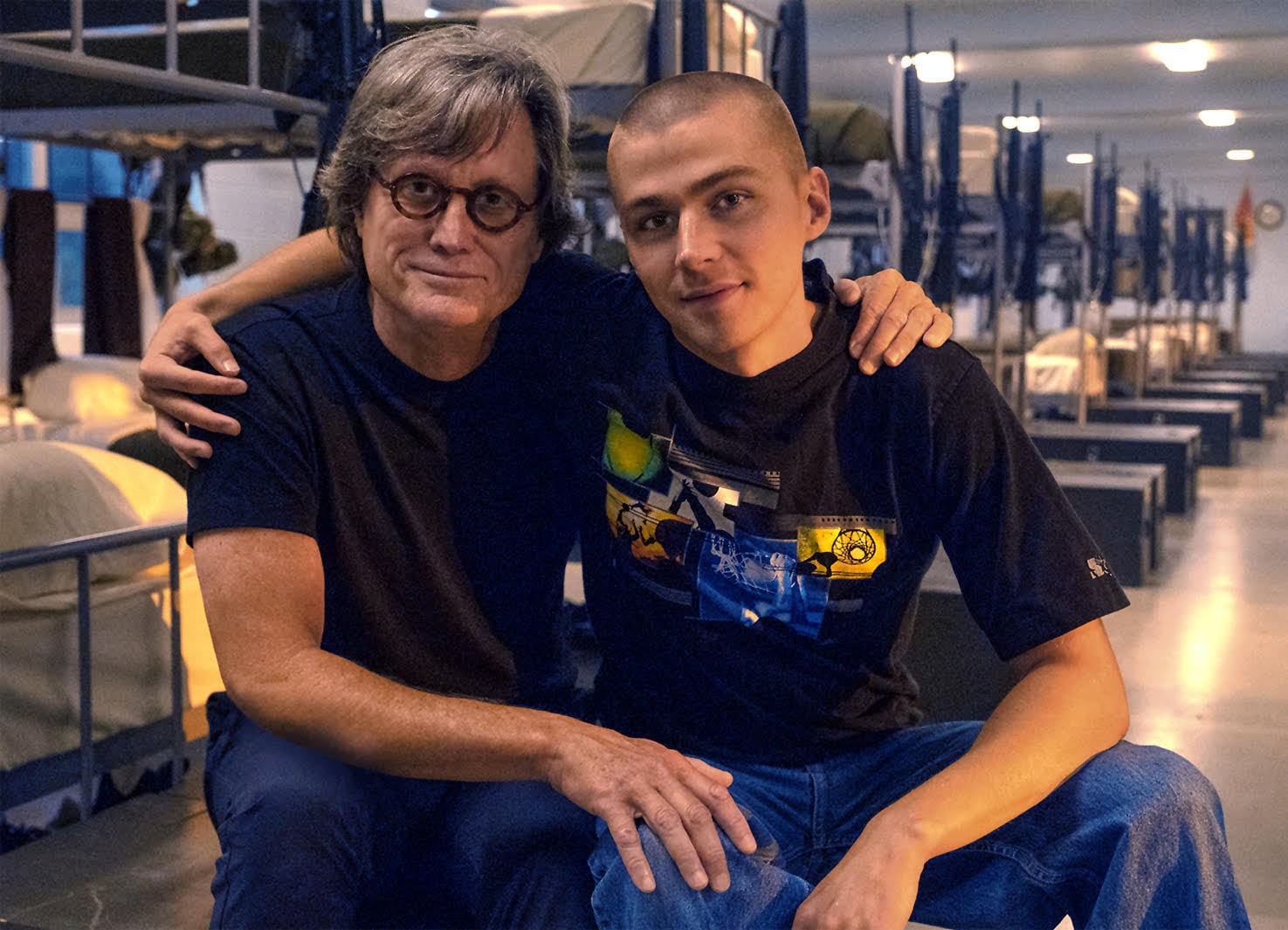
For “Boots” story editor Megan Ferrell Burke, a Marine veteran who served from 2007 to 2011 and deployed to Iraq and Afghanistan as a direct air support officer, authenticity debates often collide with visual storytelling.
Hollywood is a visual medium, noted Burke, who, after leaving the Corps, worked her way through assistant roles on “Army Wives,” served as a writers’ assistant on the World War II drama “Manhattan” and was staffed on “Outlander.” Sometimes what is correct is not what reads best on camera.
In “Boots,” for example, recruits were scripted to sit on their packs during a break, as they would in real life. On set, production placed them on logs.
“In any sort of universe, recruits would not be sitting on logs and talking,” Burke said. “But who cares? It’s so much better visually.”
For her, the issue is not perfection; it is intention. “I’m very okay with being inaccurate,” she said. “I just want to know when we’re being inaccurate, and I want to make that choice actively.”
Burke said she braced for backlash from veteran viewers over creative choices in “Boots,” including decisions about timeline accuracy. Instead, she found that many viewers accepted the show’s choices once they understood they were deliberate.
Over her 15 years in the industry, Burke said she has seen shifts in how military stories are framed. Early portrayals often defaulted to stoic archetypes. Later, she said, many projects focused almost exclusively on trauma.
“If you look out on the landscape and look for the stories of well-adjusted veterans, they’re a little bit harder to come by,” she said.
Burke does not dismiss PTSD narratives. “It is incredibly important to advocate for the very real experiences of service members dealing with trauma,” she said. But she believes the picture is incomplete.
“I feel like I’m the best version of myself because of the experience that I had,” she said.
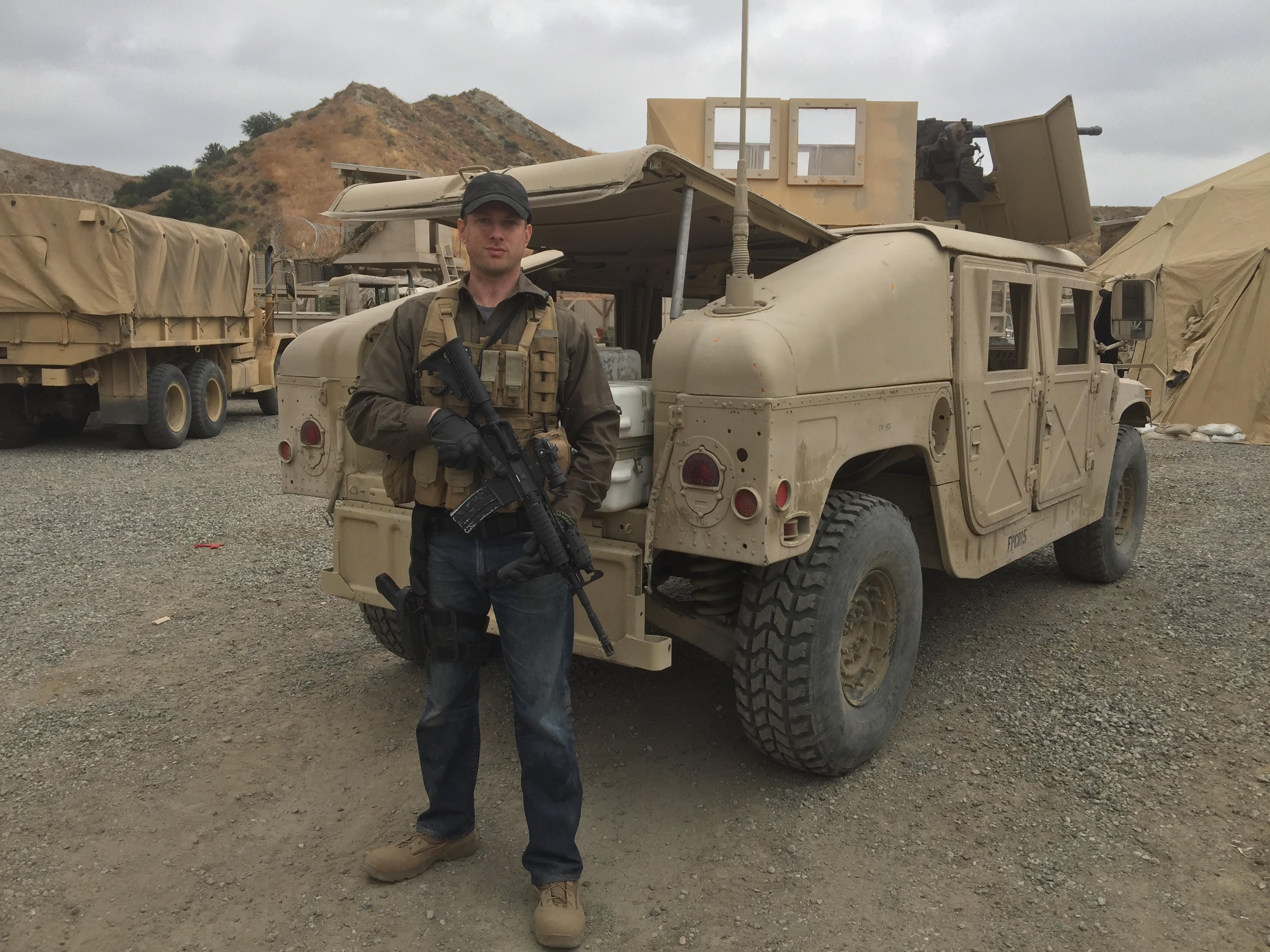
Joshua Katz, a Navy veteran who served from 1999 to 2003 as a gunner’s mate and missile technician, entered the industry through multiple avenues, including stunt work, tactical consulting and writers’ room support. He worked as a showrunner’s assistant on the CBS sitcom “United States of Al” and later founded Katzmar Tactical Consulting with his spouse, also a Navy veteran.
Katz offered a more direct assessment of Hollywood’s priorities.
“They care about one thing, and that’s making a profit,” he said.
In his experience, veteran status may help secure a meeting, but it does not guarantee advancement. “It will never be because you’re a veteran,” he said. “It opens the door, but it doesn’t necessarily push you through it.”
Still, Katz credited certain showrunners with fostering supportive environments and taking veteran perspectives seriously when storylines demanded it.
He also pointed to story gaps he believes remain underexplored.
“You don’t see below decks,” he said of Navy life. “It’s almost always from an officer’s perspective.”
He would like to see more character-driven stories set in military environments without defaulting to combat or scandal. He also cited the VA hospital as a compelling setting where veterans from different eras intersect.
Across all three writers, humor emerged as a defining difference. Veterans understand that laughter often exists alongside stress, not in spite of it.
“It’s the only way I can tell my story,” White said of using comedy to frame his experience.
Humor, he argued, allows audiences unfamiliar with military life to enter the world without being overwhelmed. “There’s nothing more hilarious than that frailty of the human condition,” he said.
For those considering the leap from the uniform to the writers’ room, none of the three offered easy encouragement.
“It is not a career for the faint of heart,” Burke said. “The good times are great, and the bad times are really hard.”
White urged writers to focus on craft. “Write the story you want to tell,” he said, rather than chasing what seems marketable.
Katz emphasized persistence and preparation. “You’ve got to have the writing sample to go with it,” he said. “It’s never going to be just because you’re a veteran.”
When veterans become writers, war stories shift. The story moves toward lived ambiguity, and service is not reduced to a single narrative.
The difference is not cosmetic. It is tonal. And audiences, especially those who have served, can tell.
Observation Post is the Military Times one-stop shop for all things off-duty. Stories may reflect author observations.
In Other News


-3.png)